
Socialization is one of the most important parts of a dog’s development—but for a fearful dog, it can also be one of the most challenging. Whether your dog came from a difficult past or simply has a naturally timid temperament, helping them feel comfortable around people, animals, and new environments requires patience, empathy, and a thoughtful approach.
The goal of socialization for a fearful dog isn’t to make them “fearless” overnight. It’s to help them build positive associations and the confidence to handle the world at their own pace.
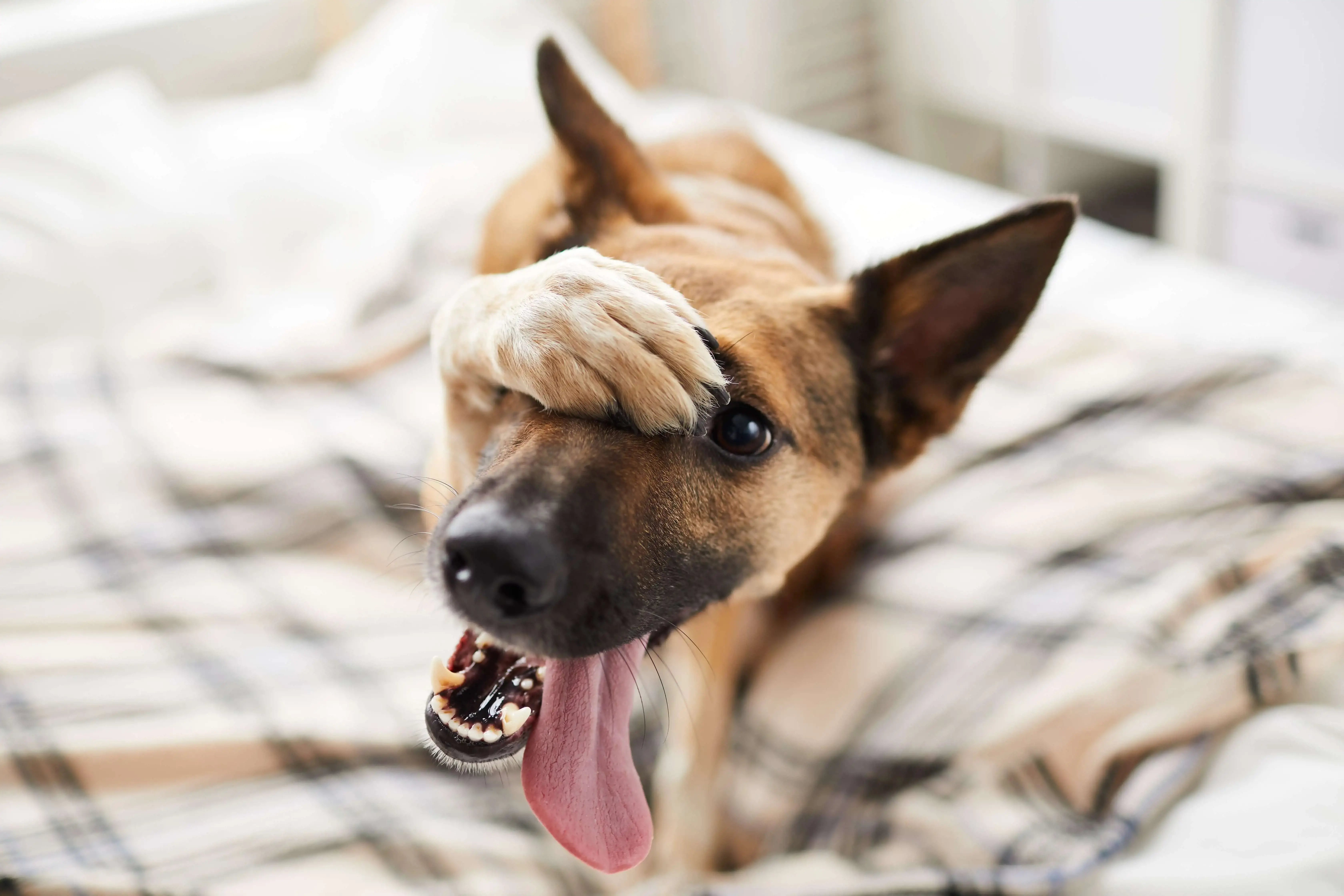
Understanding Fearful Dogs
Fearful dogs often react to unfamiliar situations with avoidance, trembling, hiding, or even defensive behaviors like barking or growling. These responses aren’t signs of stubbornness—they’re survival instincts. Pushing too fast or too hard can make things worse, so it’s important to move slowly and build trust one small success at a time.
Successful socialization for a fearful dog is all about quality over quantity—positive, controlled experiences matter far more than exposure to many different things.
Step 1: Build Trust and a Safe Foundation
Before introducing new people, places, or animals, make sure your dog feels safe with you and in your home environment. A dog who doesn’t feel secure at home will struggle to face new experiences elsewhere.
-
Create a routine for meals, walks, and rest times to provide predictability.
-
Respect their space—don’t force contact or attention. Let them come to you when ready.
-
Use positive reinforcement to reward calm or curious behavior. Treats, soft praise, and gentle affection work wonders.
Trust is the cornerstone of all socialization efforts. Once your dog believes that you’ll protect and guide them, they’ll begin to approach the world with more confidence.
Step 2: Start Small and Controlled
Begin socialization in environments your dog already knows. If they’re comfortable in the backyard, start there before venturing out. Introduce mild, non-threatening stimuli like soft sounds, different textures underfoot, or new scents.
Watch their body language closely. Signs of relaxation include a loose tail, open mouth, and soft eyes. If your dog freezes, tucks their tail, or avoids the situation, you’ve gone too far—take a step back and reduce the intensity.
Progress at your dog’s pace, not yours. Each successful calm exposure builds confidence for the next one.
Step 3: Gradual Exposure to New Environments
Once your dog is comfortable in familiar surroundings, you can gently expand their world.
-
Short, quiet walks in low-traffic areas are a great start.
-
Allow them to sniff and explore—this helps them process new information safely.
-
Reward them for calm behavior and curiosity with treats and praise.
If your dog becomes anxious, return to a place they feel secure. It’s better to end an outing on a positive note than to push them past their comfort zone.
Step 4: Positive Introductions to People and Dogs
For a fearful dog, meeting new people or animals can be intimidating. These introductions must be calm, controlled, and free of pressure.
-
Start by letting your dog observe from a distance where they feel safe.
-
Ask strangers not to make direct eye contact, reach out, or move quickly.
-
Allow your dog to approach on their own terms—never force interaction.
-
Pair each positive experience with rewards like treats or a favorite toy.
When introducing other dogs, choose calm, well-mannered companions. Walk them side by side at a distance first before allowing closer contact.
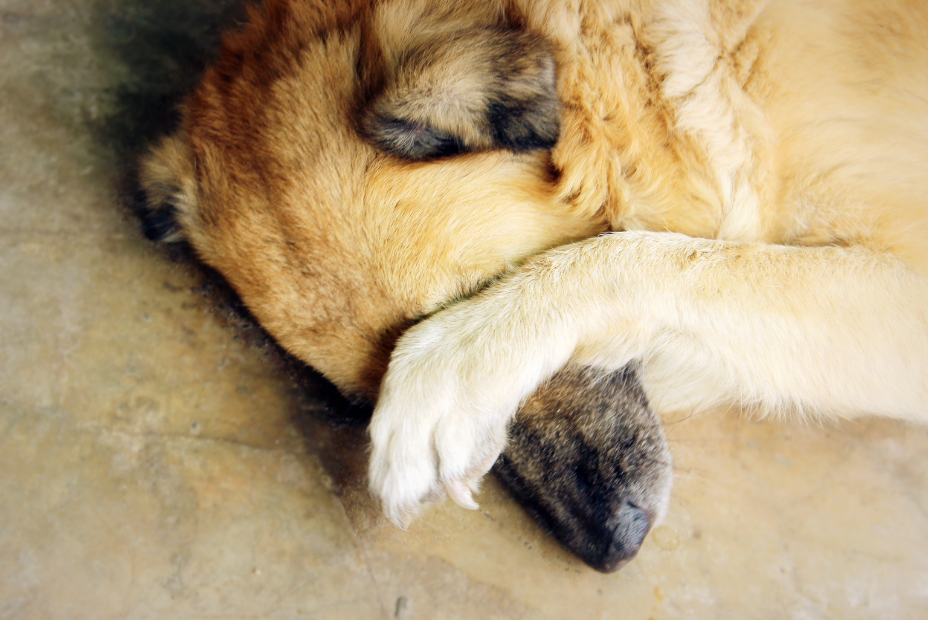
Step 5: Use Desensitization and Counterconditioning
If your dog is afraid of specific things—like men, bicycles, or loud noises—desensitization and counterconditioning can help.
-
Desensitization means exposing your dog to the fear trigger in very small, non-threatening doses.
-
Counterconditioning means pairing that trigger with something your dog loves, like treats or play.
For example, if your dog fears vacuum cleaners, start by having it turned off and far away while you reward calm behavior. Gradually decrease the distance or turn it on briefly, continuing to pair the sound with positive rewards. Over time, your dog will associate the once-scary object with good experiences.
Step 6: Celebrate Progress and Stay Patient
Fearful dogs progress at different speeds. Some may take weeks to feel comfortable in new settings, while others need months. The key is to celebrate every small victory—whether it’s sniffing a stranger’s hand, walking down a busy street, or simply wagging their tail in a once-scary environment.
Avoid comparing your dog to others. Each step forward, no matter how small, is a sign of growing trust and courage.
Step 7: Seek Professional Support if Needed
If your dog’s fear is severe or you’re unsure how to help, reach out to a professional dog trainer or behaviorist who specializes in fear-based behavior. A professional can guide you through customized desensitization plans and help ensure your dog’s emotional well-being remains the priority.
Transform your dog’s behavior with Off Leash K9 Training – Detroit. Our proven training system works for all breeds, sizes, and ages, helping your dog achieve 100% off-leash obedience. Whether through private lessons or behavior consultations, we strengthen the bond between you and your dog without the need for a leash. Contact us today at (313) 401-0820 to get started on your journey toward a well-trained, off-leash companion!