
Training your dog outdoors can be a rewarding experience—but in hot weather, it also brings serious risks. Dogs are far more sensitive to heat than humans, and even short periods of exertion in high temperatures can lead to dehydration or heat-related illness.
Whether you’re working on obedience, agility, or recall, keeping your dog hydrated and cool is essential. Here’s how to train safely and effectively during the warmer months.
1. Train During Cooler Parts of the Day
Schedule your training sessions early in the morning or later in the evening when the sun is low and temperatures are cooler. Avoid training between 10 a.m. and 4 p.m., when the heat is usually at its peak.
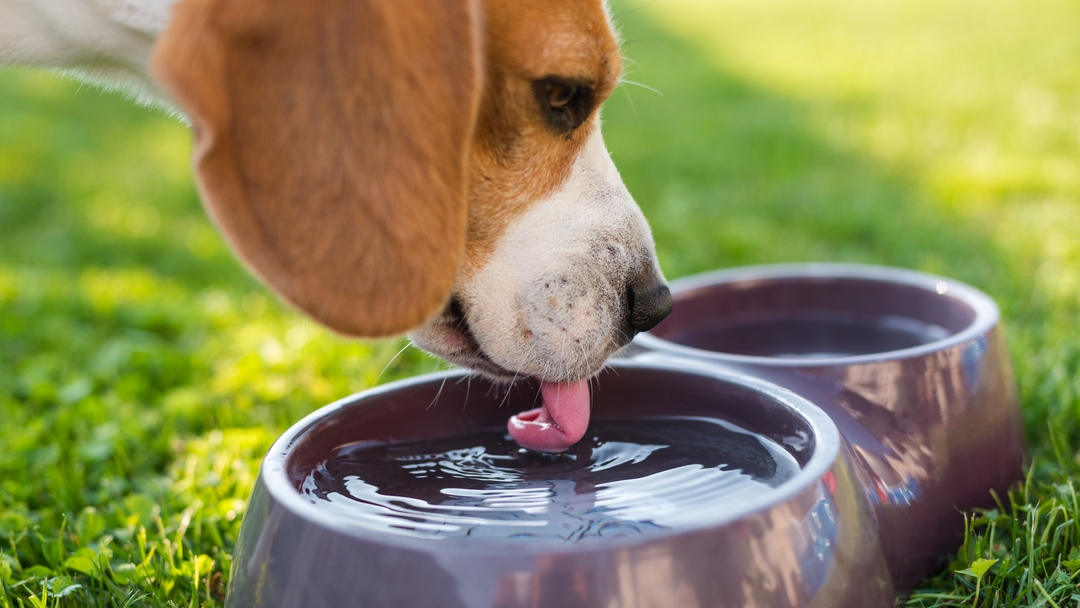
2. Keep Fresh Water on Hand at All Times
Always bring clean, cool water and a portable bowl when training outdoors. Offer water:
-
Before training begins
-
Every 10–15 minutes during activity
-
Immediately after the session
If your dog hesitates to drink, try offering flavored water with a splash of low-sodium broth.
3. Use Frozen or Hydrating Treats
Incorporate cooling, water-rich treats into your training routine. Ideas include:
-
Ice cubes made from diluted broth
-
Frozen watermelon chunks (seedless and rind-free)
-
Hydration gels or electrolyte-enhanced dog treats (made specifically for pets)
These not only provide hydration but also act as a high-value reward during training.
4. Take Frequent Shade Breaks
Rest your dog in shaded areas every few minutes, especially during intense or high-energy training. Let them cool down naturally before continuing. Bring a portable umbrella or canopy if training in open spaces without tree cover.
5. Watch for Early Signs of Dehydration
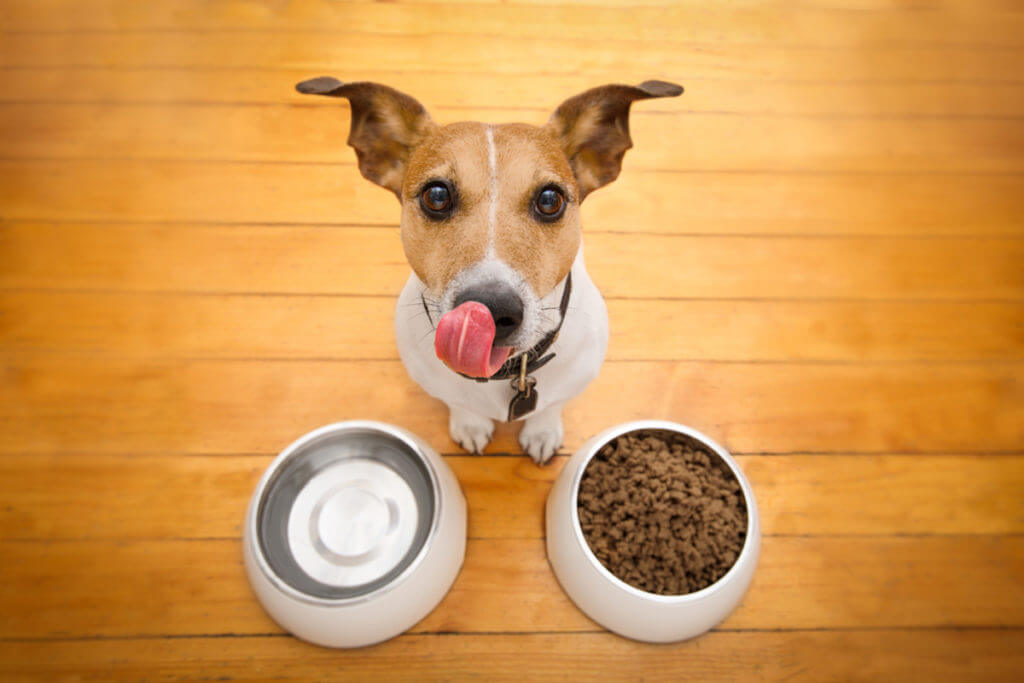
Even with precautions, dogs can overheat quickly. Be alert for:
-
Excessive panting
-
Dry gums or nose
-
Lethargy or slowing down
-
Refusing commands or becoming unresponsive
-
Saliva that’s thick or ropey
At the first sign, stop training immediately, move to shade, and offer cool water.
6. Limit Session Duration
In hot weather, keep training sessions short—ideally 10–20 minutes—and focus on quality over quantity. Use shorter bursts of activity with breaks in between to prevent overheating.
7. Use Cooling Accessories
Help regulate your dog’s body temperature with:
-
Cooling vests or bandanas
-
Elevated mesh beds for airflow
-
Cooling mats to rest on between exercises
Never rely on these alone—they’re supportive tools, not substitutes for hydration.
8. Know Your Dog’s Limits
Some dogs are more heat-sensitive, including:
-
Brachycephalic breeds (like Bulldogs, Pugs, Boxers)
-
Seniors and puppies
-
Overweight or dark-coated dogs
These dogs require even more caution and shorter sessions.
9. Post-Training Recovery Matters
After training, allow your dog to cool down slowly in a shaded, quiet area. Offer water and light snacks, but avoid heavy meals immediately. A gentle walk on cool grass can also help bring their body temperature down.
Transform your dog’s behavior with Off Leash K9 Training – Detroit. Our proven training system works for all breeds, sizes, and ages, helping your dog achieve 100% off-leash obedience. Whether through private lessons or behavior consultations, we strengthen the bond between you and your dog without the need for a leash. Contact us today at (313) 401-0820 to get started on your journey toward a well-trained, off-leash companion!Dog