
When it comes to dog training, one debate comes up again and again: is mental exercise or physical exercise more important? Many owners focus heavily on walks, runs, and playtime, assuming a tired dog is a well-trained dog. While physical activity is essential, mental exercise often plays an even bigger role in shaping learning, focus, and long-term behavior. The truth is not about choosing one over the other, but understanding how each supports effective training.
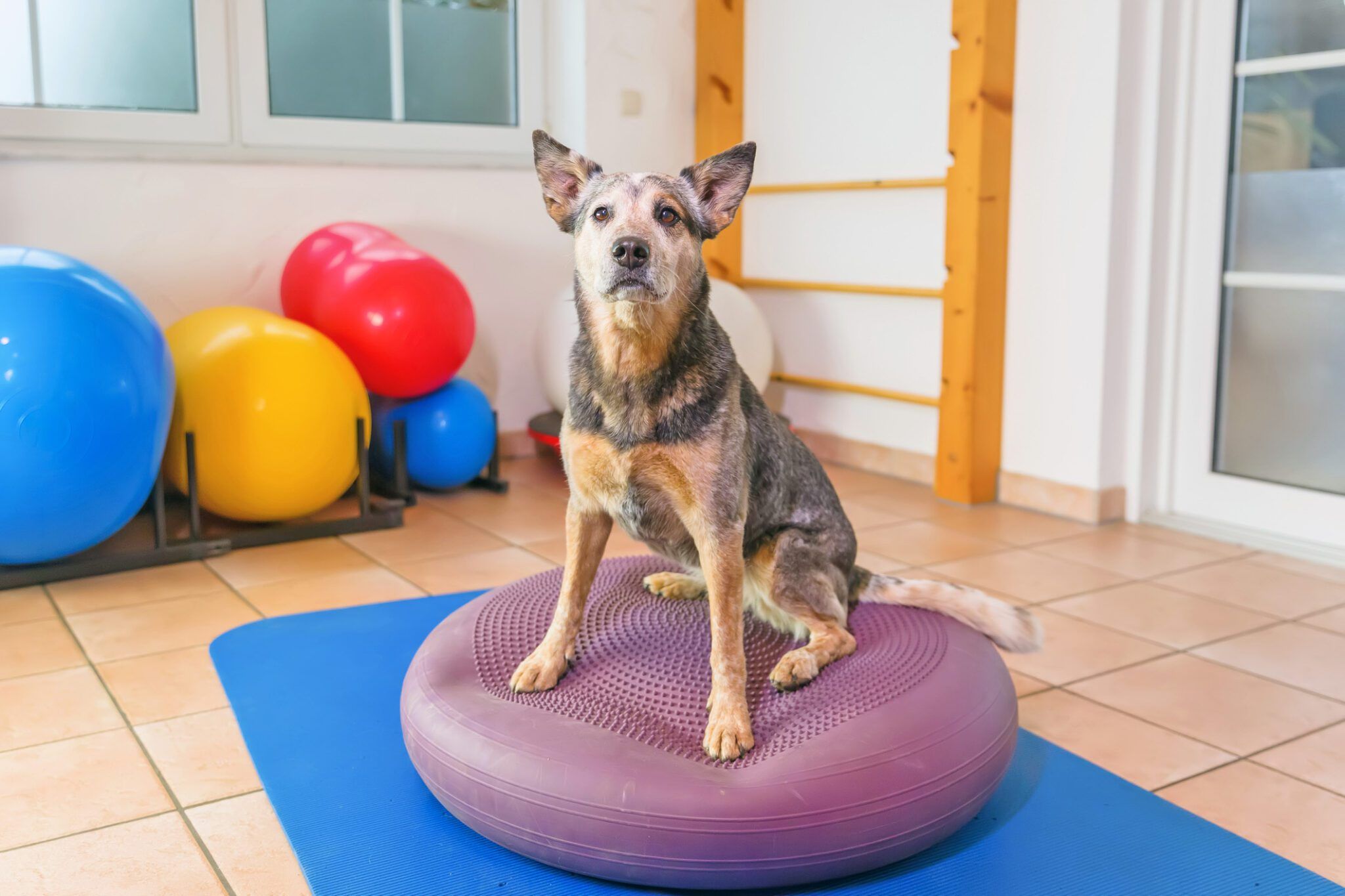
What Physical Exercise Contributes to Training
Physical exercise helps regulate energy levels and emotional state. A dog with too much pent-up energy may struggle to focus, making training sessions frustrating for both dog and handler.
Benefits of physical exercise for training include:
-
Reduced restlessness and hyperactivity
-
Improved ability to settle
-
Lower stress levels
-
Better emotional regulation
A walk or play session before training can help a dog enter a calmer, more receptive state of mind. However, physical exercise alone does not teach skills, problem-solving, or self-control.
Why Mental Exercise Is Crucial for Learning
Mental exercise directly engages the brain, which is where learning happens. Training, puzzle-solving, and decision-making tasks tire dogs in a different and often more effective way than physical activity.
Benefits of mental exercise for training include:
-
Improved focus and attention span
-
Stronger impulse control
-
Faster learning and retention
-
Increased confidence and independence
A dog that regularly works their brain is often easier to train because they are accustomed to thinking, responding to cues, and managing frustration.
Mental Exercise Often Tires Dogs Faster
Ten minutes of focused training or problem-solving can be more exhausting than a long walk. Mental effort requires concentration, emotional regulation, and self-control, all of which are mentally draining.
This is why dogs that receive adequate mental stimulation are less likely to engage in boredom-related behaviors, even if their physical exercise is moderate.

The Risks of Relying Only on Physical Exercise
When training relies too heavily on physical exercise to “wear a dog out,” problems can arise.
-
Dogs may develop increased stamina without improved behavior
-
High-arousal activities can make some dogs more reactive
-
Physical exhaustion without mental engagement does not teach calmness
In some cases, dogs become fitter but not more focused, leading to persistent training challenges.
How Physical Exercise Supports Mental Work
Physical exercise still plays an important supporting role. Movement improves blood flow to the brain, reduces anxiety, and helps dogs process information more effectively.
The key is balance. Physical activity prepares the dog for learning, while mental exercise does the actual teaching.
Examples of Mental Exercise That Improve Training
Mental exercise doesn’t have to be complicated. Effective options include:
-
Obedience and trick training
-
Scent work and sniffing games
-
Puzzle toys and food-dispensing toys
-
Shaping behaviors through positive reinforcement
Short, consistent sessions are far more effective than long, repetitive drills.
Finding the Right Balance
The most successful training routines combine both types of exercise:
-
Physical activity to regulate energy and stress
-
Mental challenges to build skills and focus
-
Rest and downtime to allow learning to settle
This balanced approach prevents overstimulation while supporting steady progress.
Transform your dog’s behavior with Off Leash K9 Training – Detroit. Our proven training system works for all breeds, sizes, and ages, helping your dog achieve 100% off-leash obedience. Whether through private lessons or behavior consultations, we strengthen the bond between you and your dog without the need for a leash. Contact us today at (313) 401-0820 to get started on your journey toward a well-trained, off-leash companion!