
You’ve probably heard that a dog’s nose is powerful — but what if we told you that every sniff your dog takes is actually a brain-boosting activity? Far beyond a cute habit or quirky behavior, scent work taps into complex neurological processes that keep your dog’s mind sharp, focused, and balanced.
Whether you have a young pup full of energy or a senior dog slowing down, understanding the science behind scent work reveals why this form of enrichment is one of the most important things you can do for your dog’s mental health.
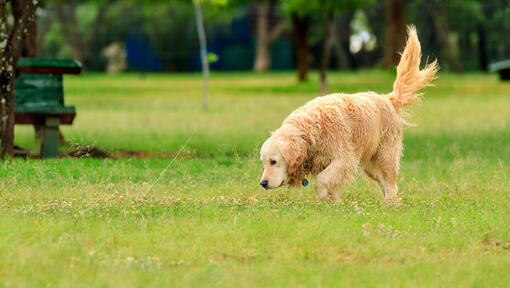
The Dog’s Nose: A Biological Superpower
Dogs experience the world through scent much like we do through sight. With an estimated 300 million olfactory receptors (compared to our 5–6 million), dogs are uniquely designed to process complex scent information. Their brains are wired for it, too — the part dedicated to analyzing smells is about 40 times larger than that of a human, relative to brain size.
But it’s not just about sniffing. Every scent your dog processes engages their olfactory bulb, limbic system, and frontal cortex — areas responsible for memory, emotion, and decision-making.
In other words, scent work isn’t just fun — it’s cognitive exercise.
How Scent Work Stimulates the Brain
1. Activates Problem-Solving Pathways
When a dog engages in scent work, they must make decisions about where to search, how to follow a trail, and when they’ve found the target. This level of independent thinking strengthens the brain’s executive functions, including working memory and attention control.
Scientific insight:
Studies have shown that problem-solving and decision-making stimulate neural plasticity — the brain’s ability to adapt, form new connections, and stay healthy over time.
2. Supports Emotional Regulation
The limbic system, which plays a role in emotion and memory, is heavily involved in scent processing. Sniffing activities naturally lower stress levels and increase dopamine — the “feel-good” neurotransmitter. That’s why dogs often appear calmer and more content after scent sessions.
Real-world impact:
Dogs allowed to sniff more during walks show lower heart rates, reduced reactivity, and fewer signs of anxiety. For dogs with behavioral challenges, this makes scent work a therapeutic tool.
3. Improves Focus and Impulse Control
Unlike chaotic or overstimulating play, scent work requires sustained concentration. Your dog learns to filter out distractions and focus on the task at hand — a skill that transfers into other areas of behavior and training.
Bonus effect:
Regular scent games often lead to better manners and calmer behavior, especially in high-energy or reactive dogs.
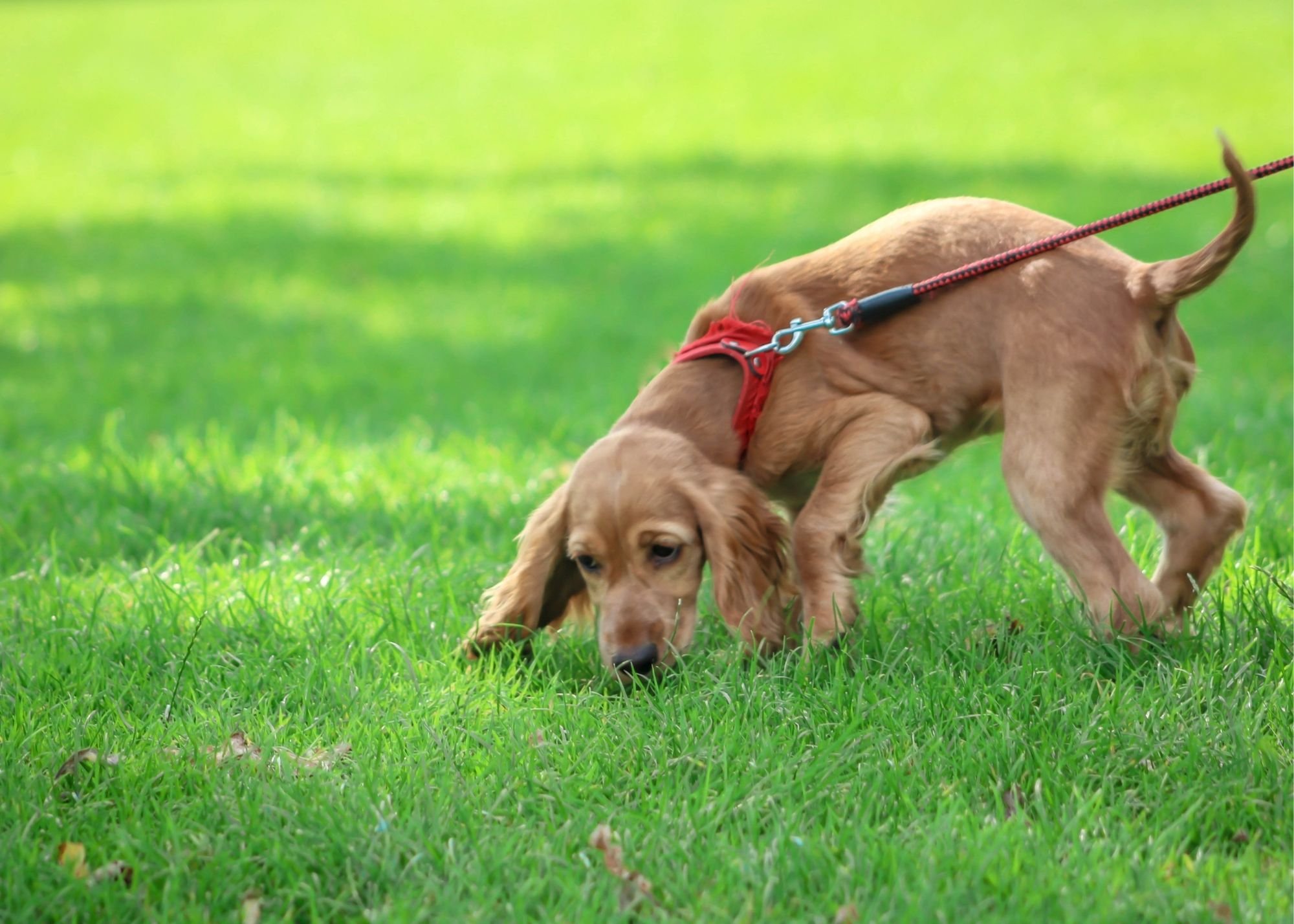
Brain Health Across the Life Stages
Puppies
Early scent play lays the foundation for confidence, curiosity, and brain development. It encourages safe exploration and builds learning pathways.
Adult Dogs
Scent work keeps the brain challenged and stimulated, helping prevent boredom and behavioral issues caused by under-stimulation.
Senior Dogs
Older dogs may not be as physically active, but their noses still work. Scent games offer a low-impact yet high-engagement activity that helps preserve memory, reduce cognitive decline, and maintain quality of life.
What Science Says About Scent and Behavior
Recent canine cognition research supports what dog trainers and behaviorists have observed for years: Sniffing is inherently calming. A 2019 study found that dogs allowed to sniff freely on walks exhibited more optimistic behavior in problem-solving tasks afterward, suggesting a direct link between olfactory engagement and mental state.
In therapeutic settings, scent-based activities are used to help:
-
Dogs with anxiety
-
Shelter dogs transitioning to new homes
-
Dogs recovering from injury or illness
-
Dogs with cognitive dysfunction syndrome (the canine version of dementia)
Simple Ways to Boost Brain Health with Scent Work
You don’t need expensive kits or formal training to start enriching your dog’s brain through scent. Here are a few easy ideas:
-
Snuffle mats: Scatter kibble in a textured mat for your dog to forage.
-
“Find it” games: Hide treats around the house and encourage your dog to seek them out.
-
Scent trails: Drag a treat or toy along the ground and let your dog follow the trail.
-
Box searches: Place treats in one of several cardboard boxes and let your dog sniff out the right one.
-
Scent kits: For more advanced work, train your dog to identify specific odors (like birch or clove).
The key is consistency and variation. Just like humans benefit from crossword puzzles or brain games, dogs need regular cognitive challenges to stay sharp.
Transform your dog’s behavior with Off Leash K9 Training – Detroit. Our proven training system works for all breeds, sizes, and ages, helping your dog achieve 100% off-leash obedience. Whether through private lessons or behavior consultations, we strengthen the bond between you and your dog without the need for a leash. Contact us today at (313) 401-0820 to get started on your journey toward a well-trained, off-leash companion!